
A new partnership of community organisations, researchers and landowners has launched an ambitious archipelago-scale project across the Summer Isles using innovative scientific monitoring techniques to improve understanding of seabirds and help restore habitats.
This research is funded by the Scottish Marine Environmental Enhancement Fund, with marine and staff - reource support from The Tanera Project. The partnership brings together ecological consultancy, scientific research, local knowledge and practical conservation to improve understanding of the Summer Isles' internationally important seabirds and strengthen long-term biosecurity across our little cluster of islands.
The Summer Isles are home to internationally important breeding seabirds, including the elusive European storm petrel. Despite their importance, much remains unknown about some of the species that nest across the islands and the threats they face.
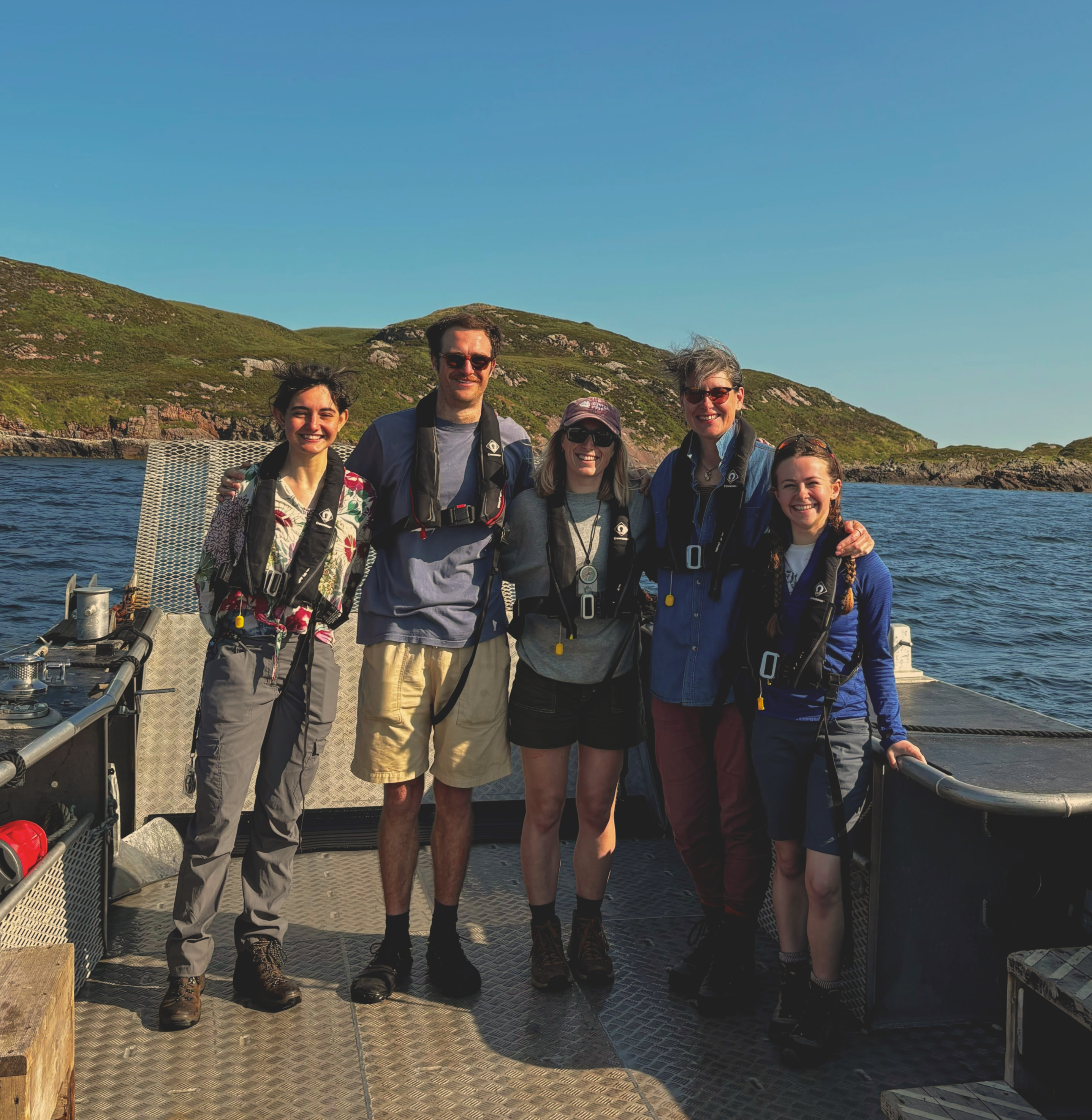
The 'Building Seabird Resilience in the Summer Isles' project is led by Dr Ruth Jeavons, Senior Ecological Consultant at Stornoway-based ecological practice Atlantic58, with funding from the Scottish Marine Environmental Enhancement Fund (SMEEF).
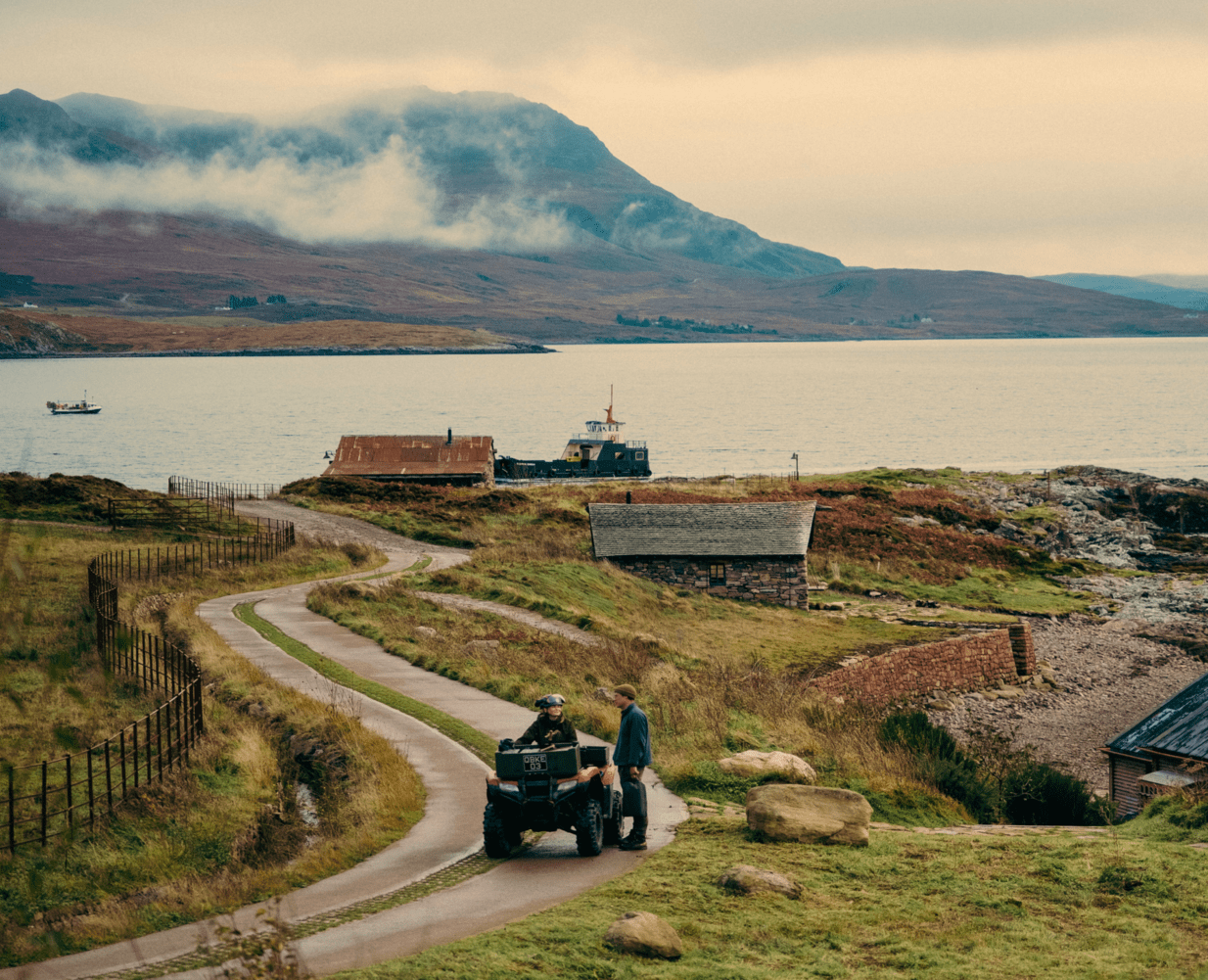
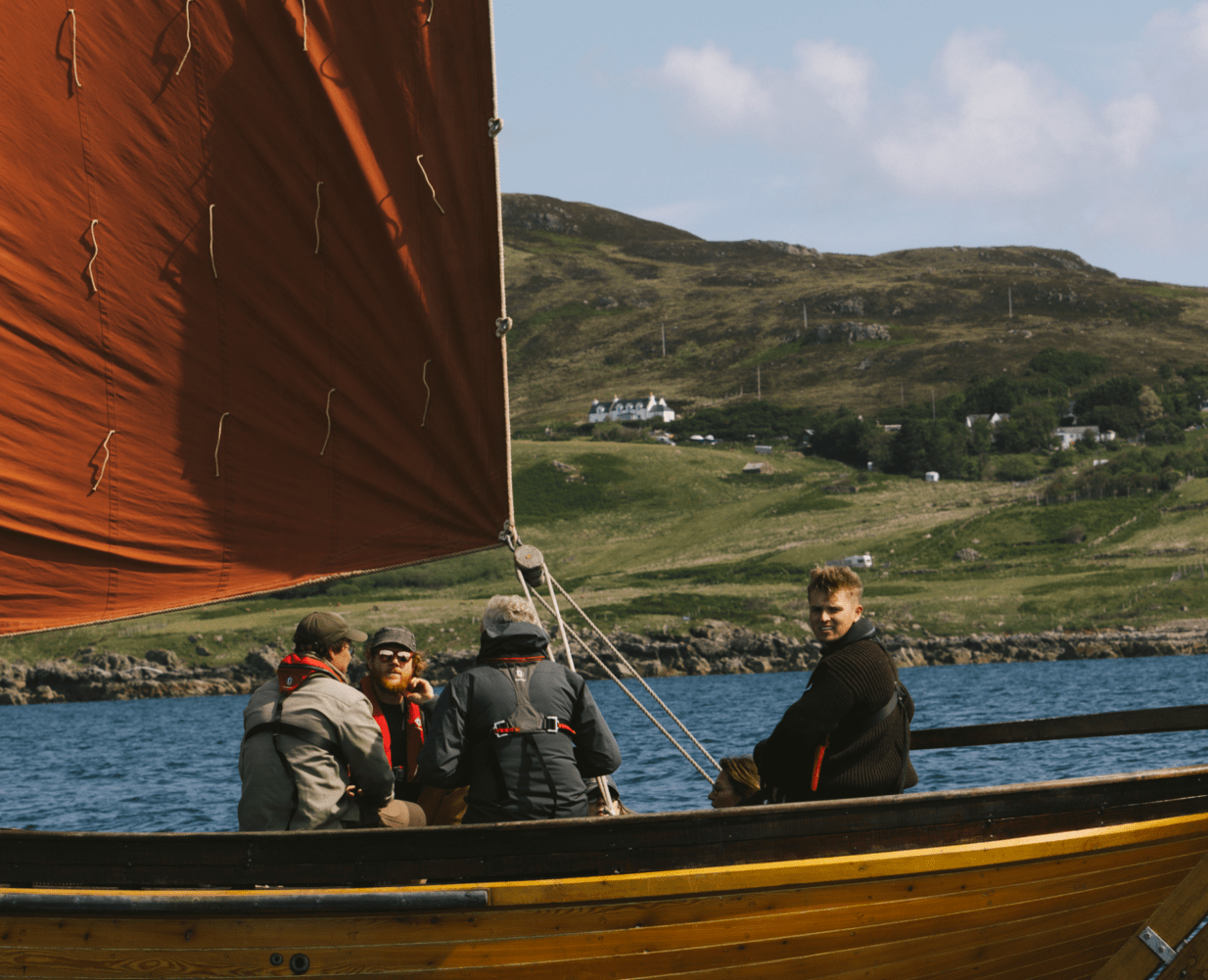
Ruth is working alongside Beth Haine, The Tanera Project’s in-house Ecological Restoration Co-ordinator, Dr Liz Masden, Research Fellow at UHI's Environmental Research Institute, and local landowner Rob Graham. As a key local partner, The Tanera Project is bringing our knowledge, local relationships and vital practical support for the delivery of the project across the archipelago - in the form of our brilliant boat team and marine fleet.
.png)
Our involvement in this project grew out of our in-house invasive species monitoring and mitigation programme. Since 2017, we've dramatically reduced the prevalence of invasive species on the island and, more recently, expanded that work to the wider Summer Isles, in partnership with the landowners who share them.
Our attention has been focused mainly on reducing numbers of American mink, who, despite their deceptively inviting appearance, can wreak havoc on ground-nesting birds and have little regard for a well-kept henhouse. Strong swimmers with an appetite for surplus killing, an ambitious mink can empty a coop in a single night: impressive animals, yet disarmingly diminutive; unfortunately not a species our native wildlife can afford to admire.
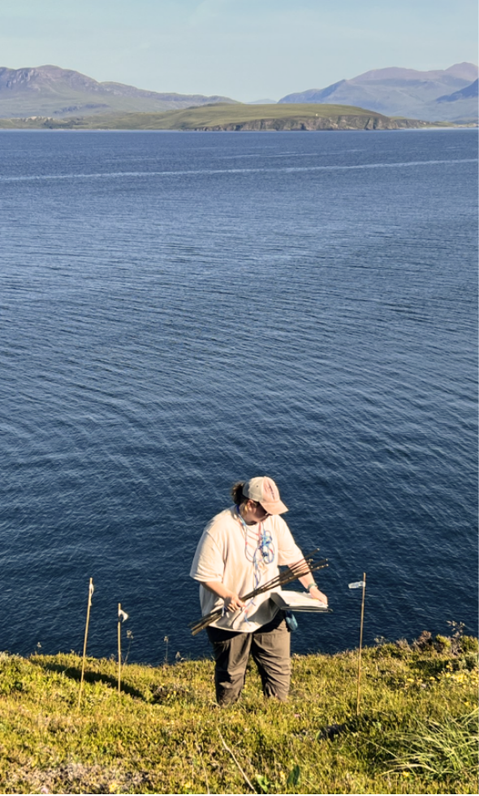
At the heart of the Building Seabird Resilience in the Summer Isles project is the European storm petrel, one of Britain's smallest seabirds.
.png)
Weighing little more than three £1 coins, these remarkable birds can live for up to 40 years and spend almost their entire lives at sea, returning to hidden burrows on remote islands only under the cover of darkness to breed.
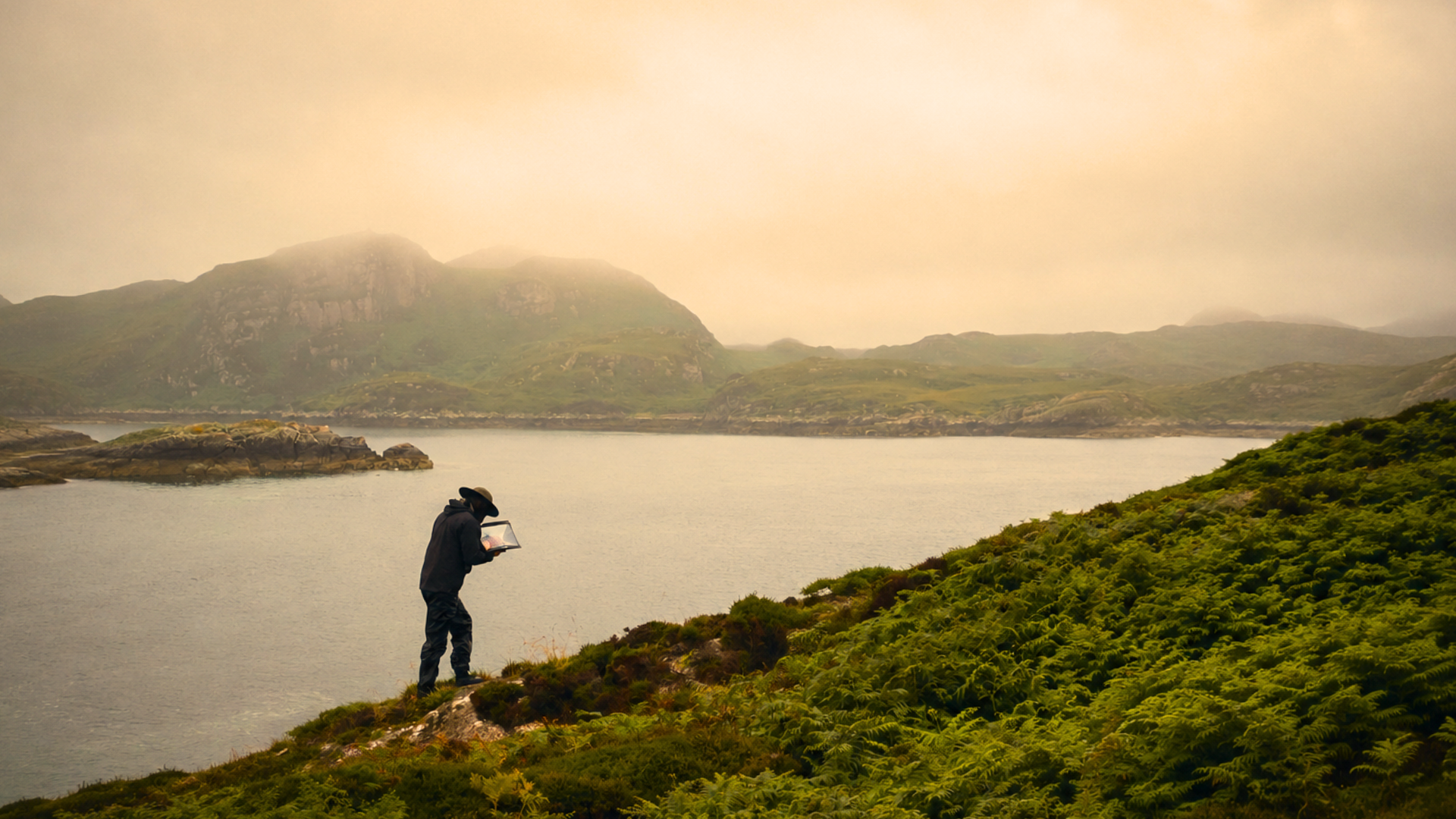
Their secretive behaviour makes them difficult to monitor, leaving significant gaps in our understanding of where they breed and how populations are changing. One of the project's key aims is to deliver the first archipelago-wide census of European storm petrels in the Summer Isles, while testing and refining survey techniques to improve future monitoring of this elusive species.
Six outcomes sit behind the work as a whole: a calibrated, archipelago-wide population estimate for storm petrels to support the Special Protection Area and future management decisions; a peer-reviewed paper on new monitoring methods for birds that insist on breeding in peat pipes and hard-to-access vegetation; a shared data and communication system, Invasalert, that lets partners report and access biosecurity information in real time, with room for the public to report sightings too.
We will also produce a case study on mink dispersal and impact, shared so that other island groups facing the same problem can benefit from our learning; an archipelago-wide biosecurity and rapid response plan, co-designed with the community; and a trained, locally based network of landowners, citizen scientists, and boat operators equipped to maintain traps and respond when mink turn up again, because they will.
.png)
Alongside the storm petrel surveys, the partnership aims to strengthen long-term biosecurity across the Summer Isles by developing a coordinated biosecurity programme to help prevent, detect and respond to invasive predator incursions.
Building on work initiated through the volunteer-led Summer Isles Mink Control Initiative, which was initially brought together under the Coigach and Assynt Living Landscape (CALL) project, the programme will strengthen the long-term protection of the islands' vulnerable seabirds.
With the first archipelago-wide storm petrel census now complete, the partnership will turn its attention to developing the Summer Isles biosecurity programme, with the involvement of volunteers and the community in Ullapool and Coigach.
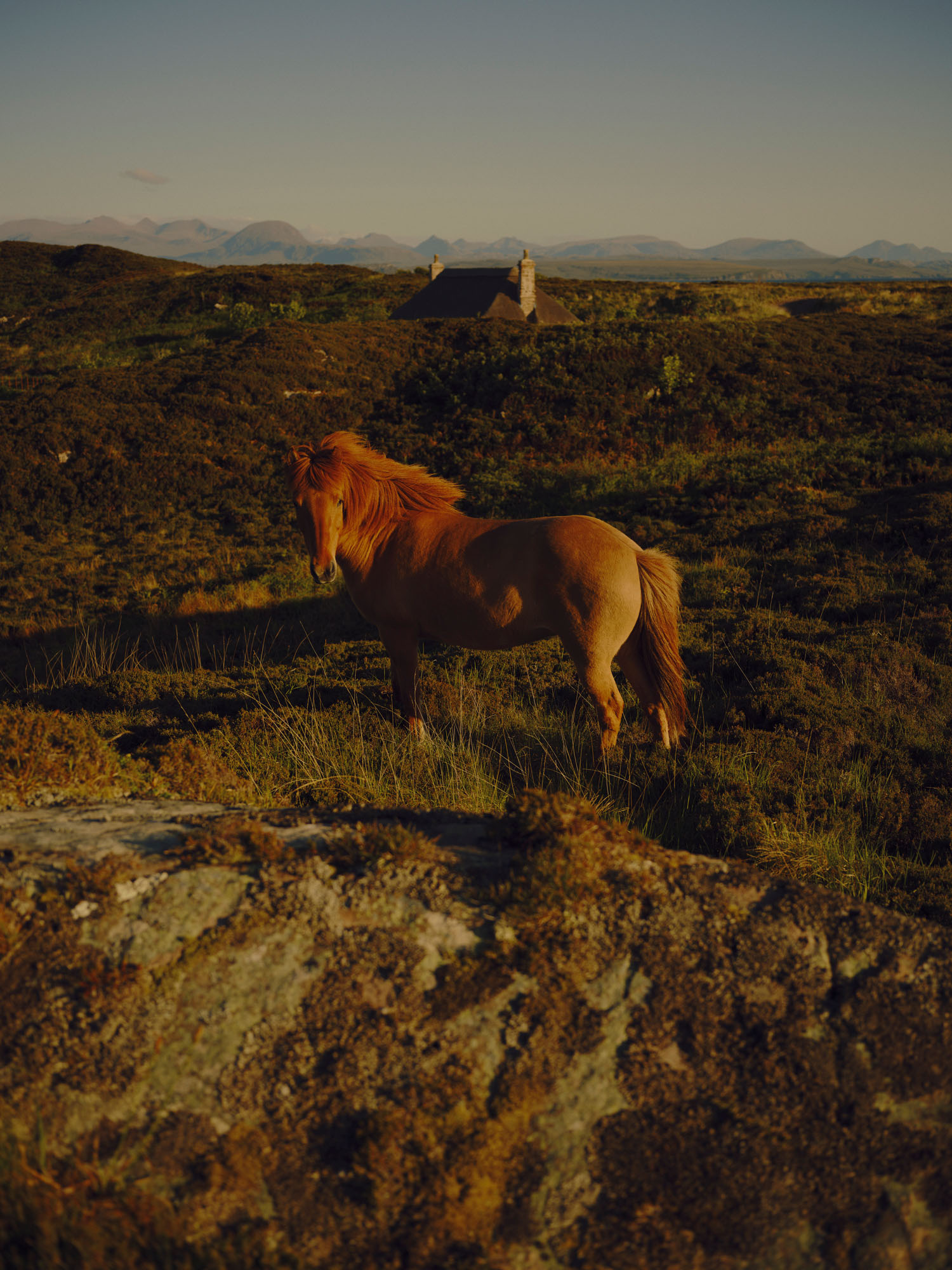
Earlier this year, we welcomed the team from Portfolio magazine onto the island to explore our spaces and to share a little bit about what we do here.
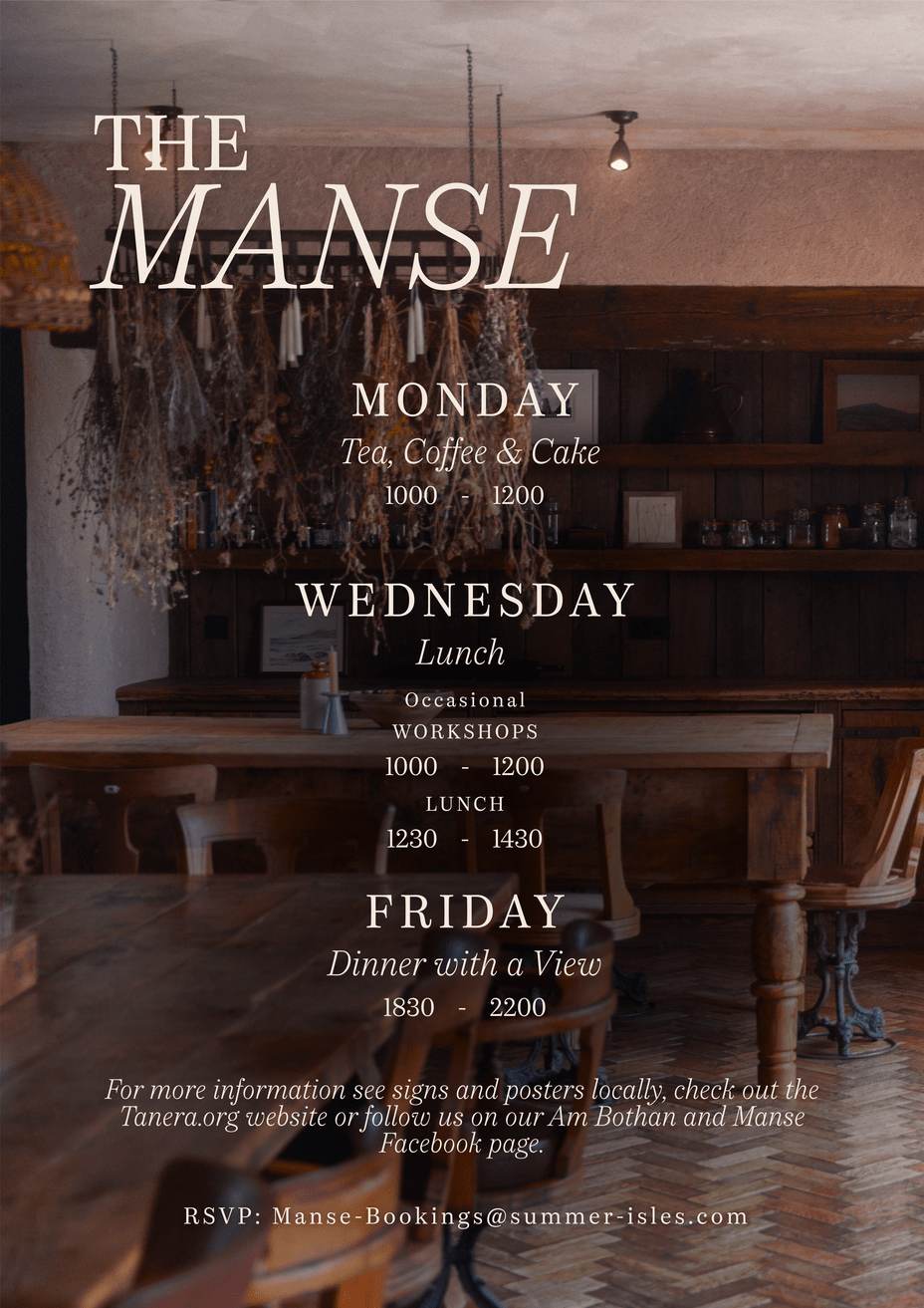
For updated times and to view our weekly menu, check Am Bothan and The Manse page on Facebook.