

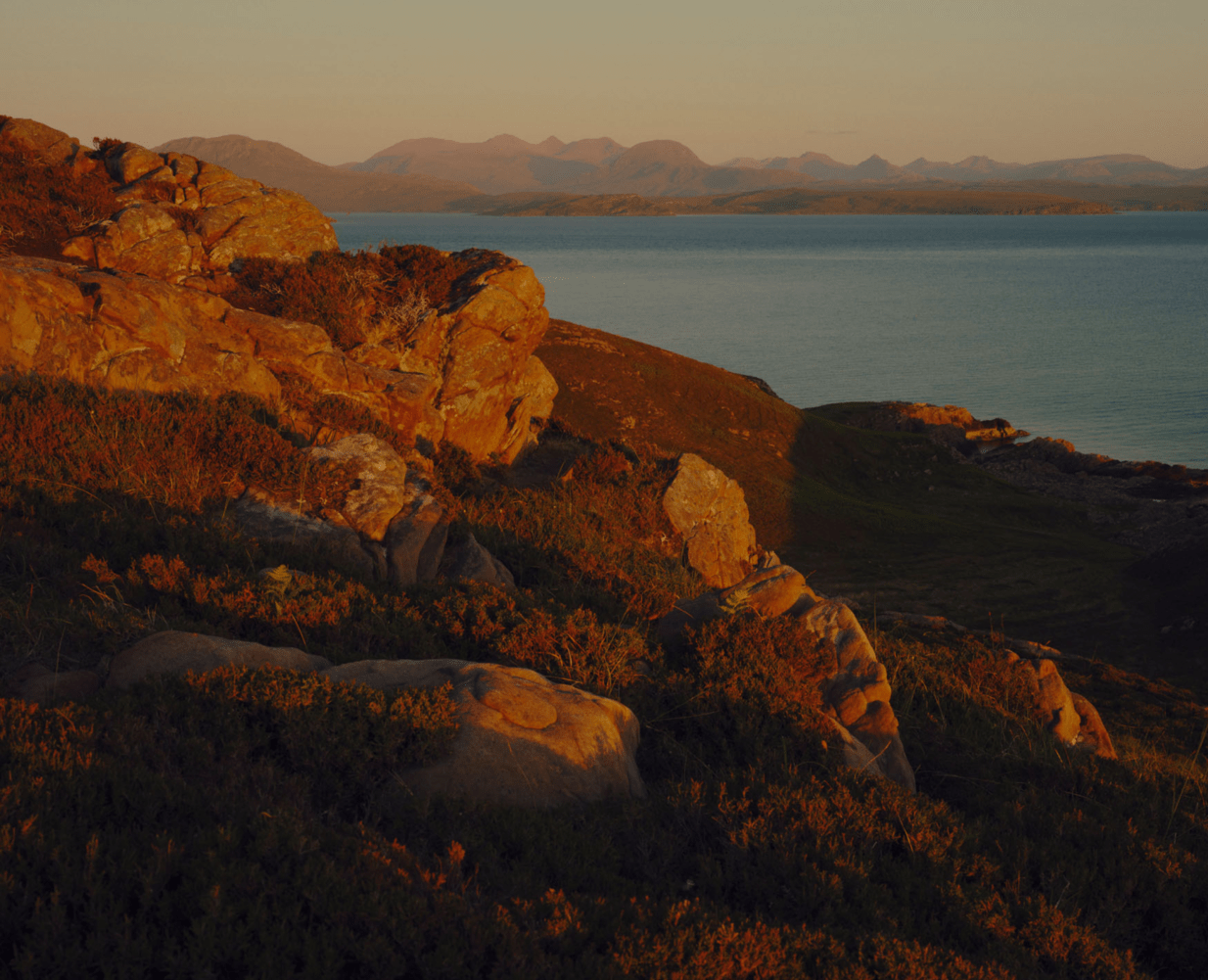
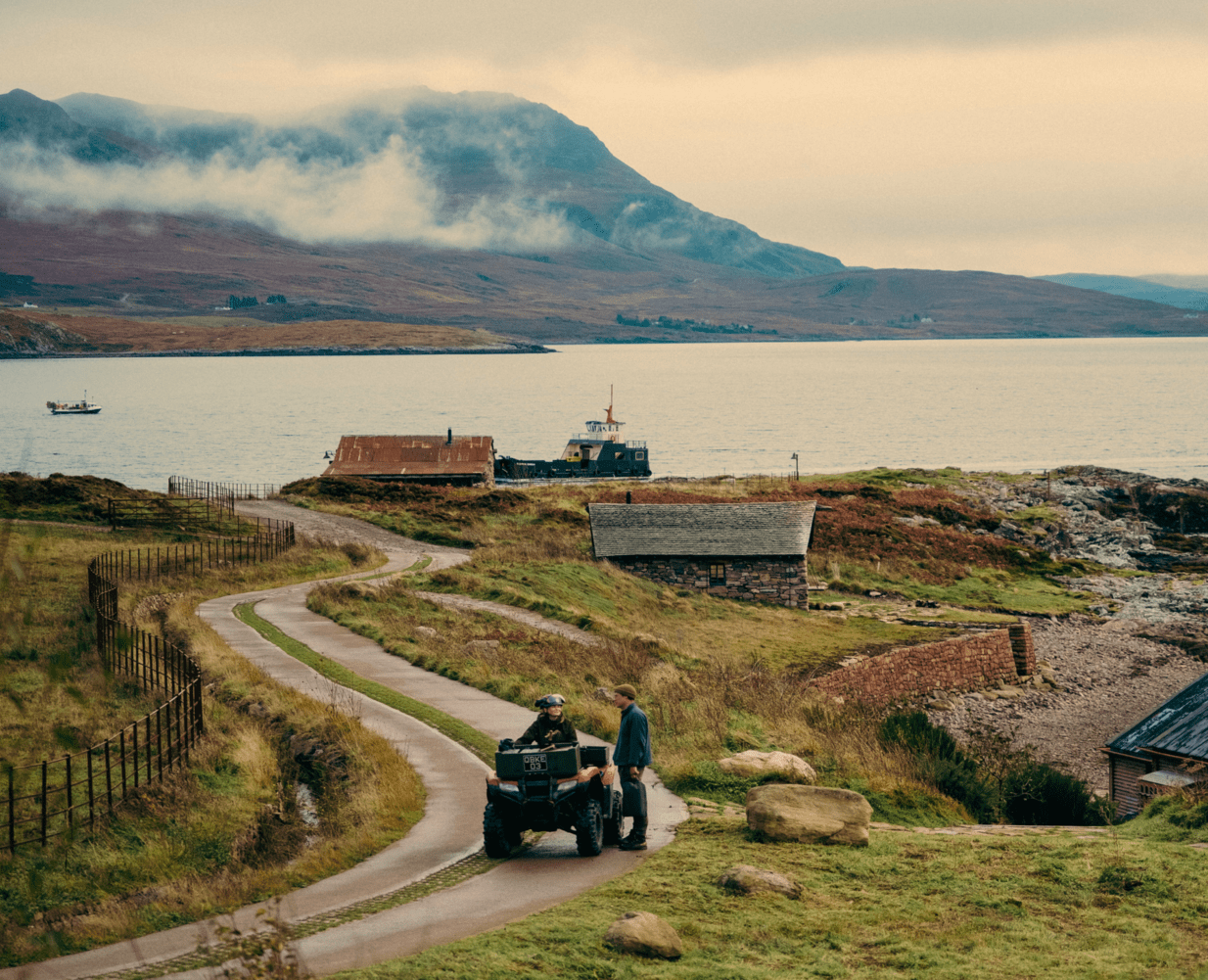
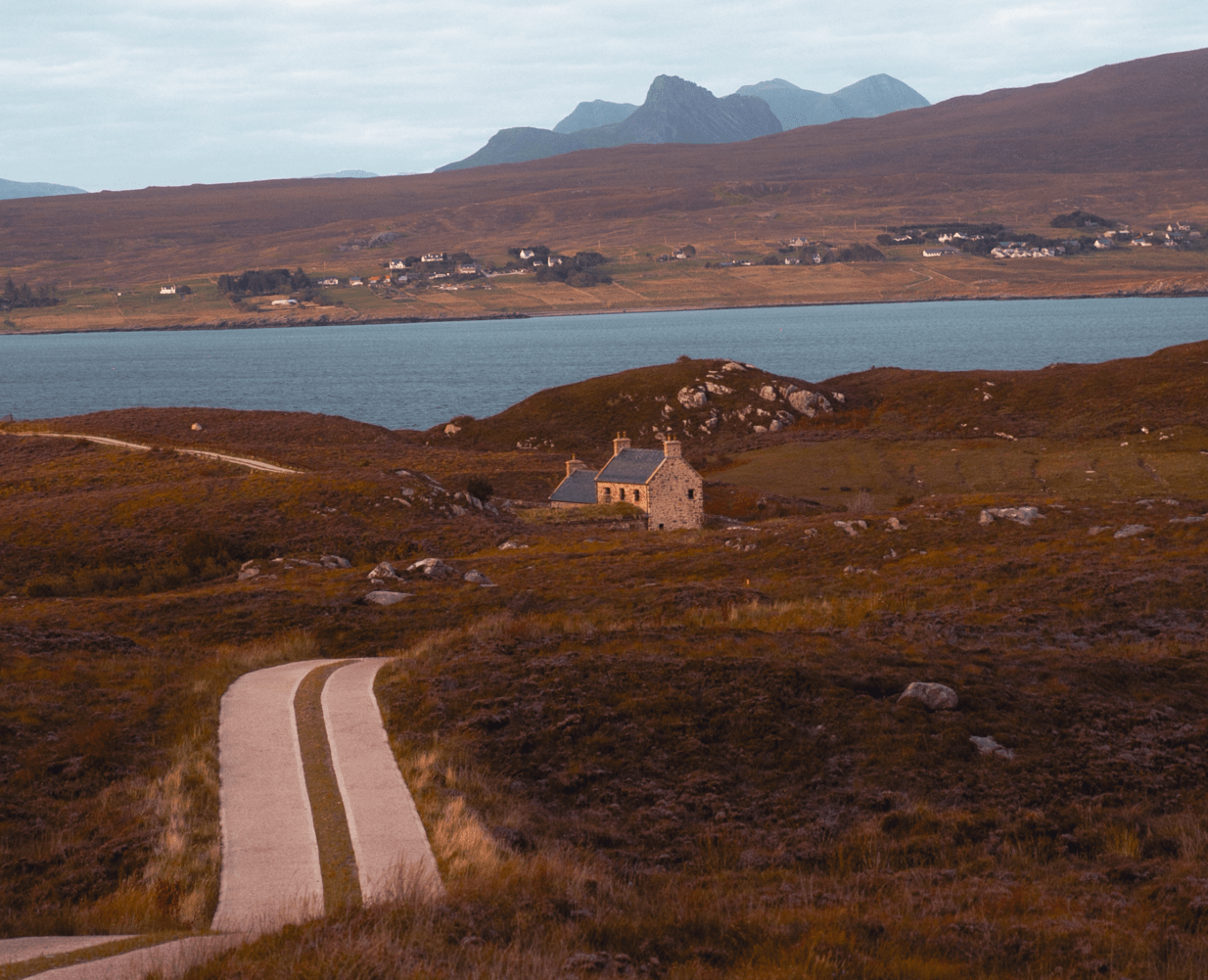
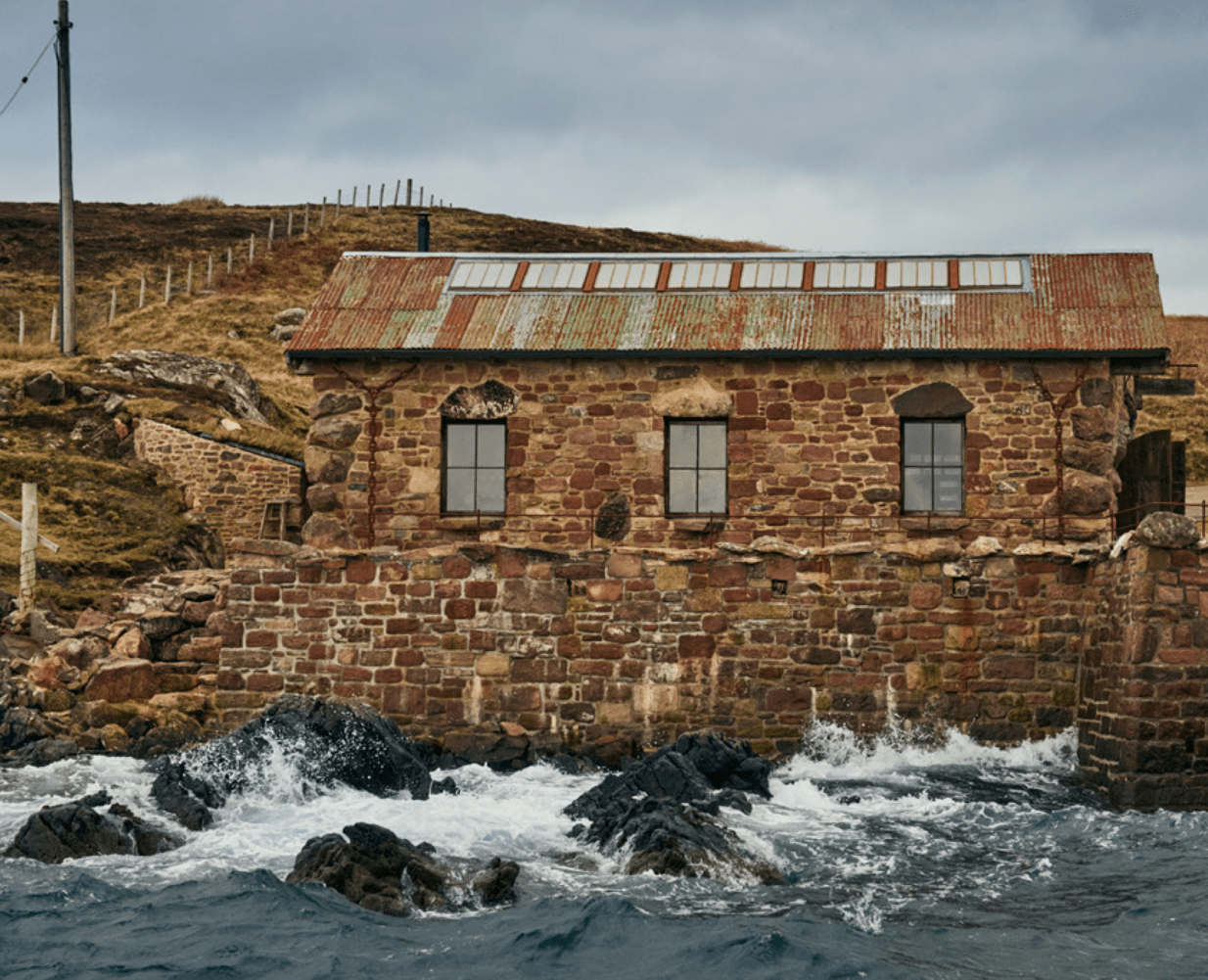
To support our rich tapestry of ecosystems, we have planted over 100,000 trees, created 1.5 million litres of freshwater pond habitats populated with native aquatic plants, curated mosaic landscaping round every building, and reclaimed 28 acres of historical agricultural land for regenerative agriculture to support soil health, biodiversity and carbon sequestration.
We have further diversified these systems with old orchards extended, traditional lazy beds restored, and diversity species planted throughout to support the island's ecosystems. We are beginning to track the impact of our restoration and protection work. Early indications are positive.
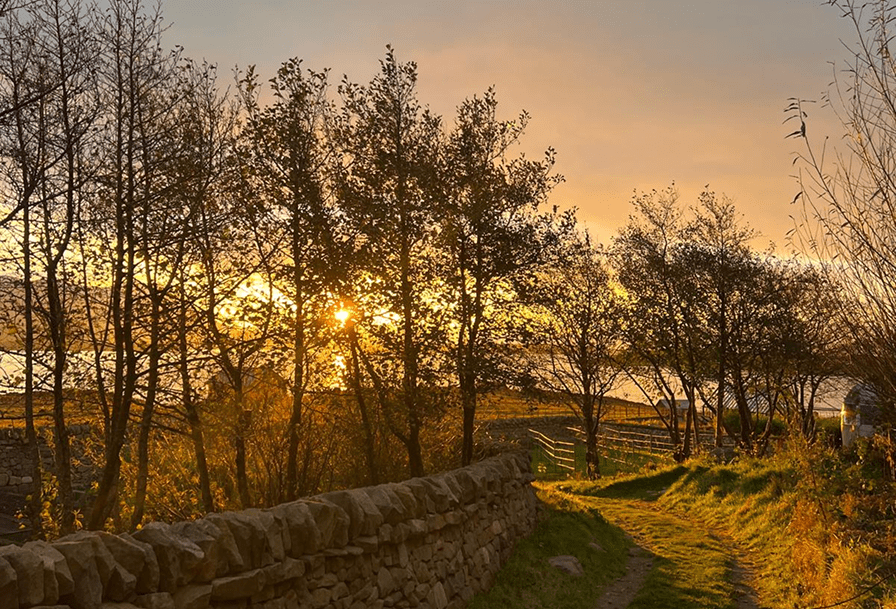
We have planted over 100,000 trees across the island. We have used a mixed-method approach of native and non-native planting. This will create a fast canopy coverage as well as species native to the remaining Atlantic rainforest on the island.
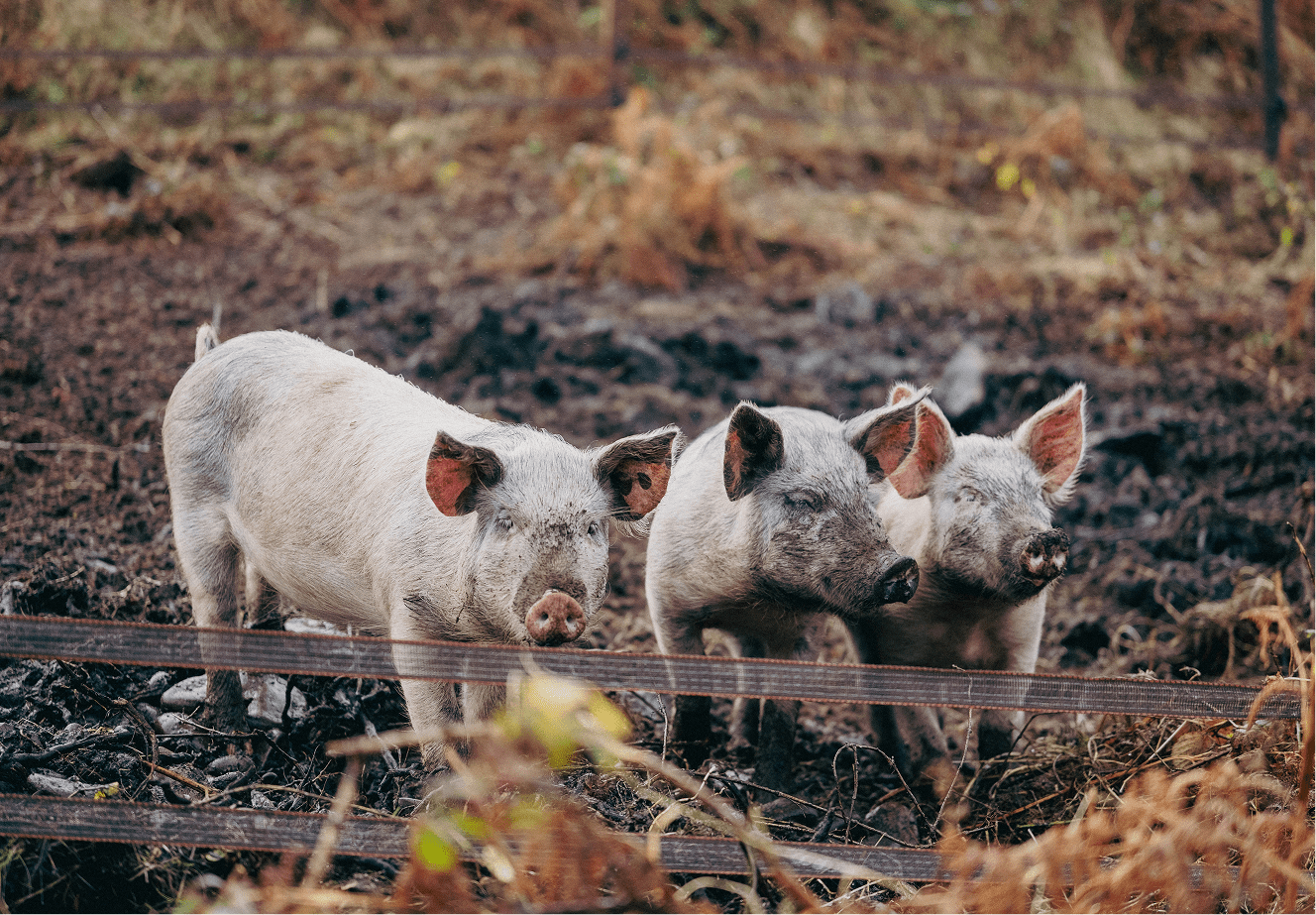
We are working to restore and design sustainable agricultural eco-systems that reflect the heritage of the area, promote biodiversity and produce bountiful resources. Included in these systems are traditional lazy beds,fruit orchards, species rich pastures and areas of former agricultural land.
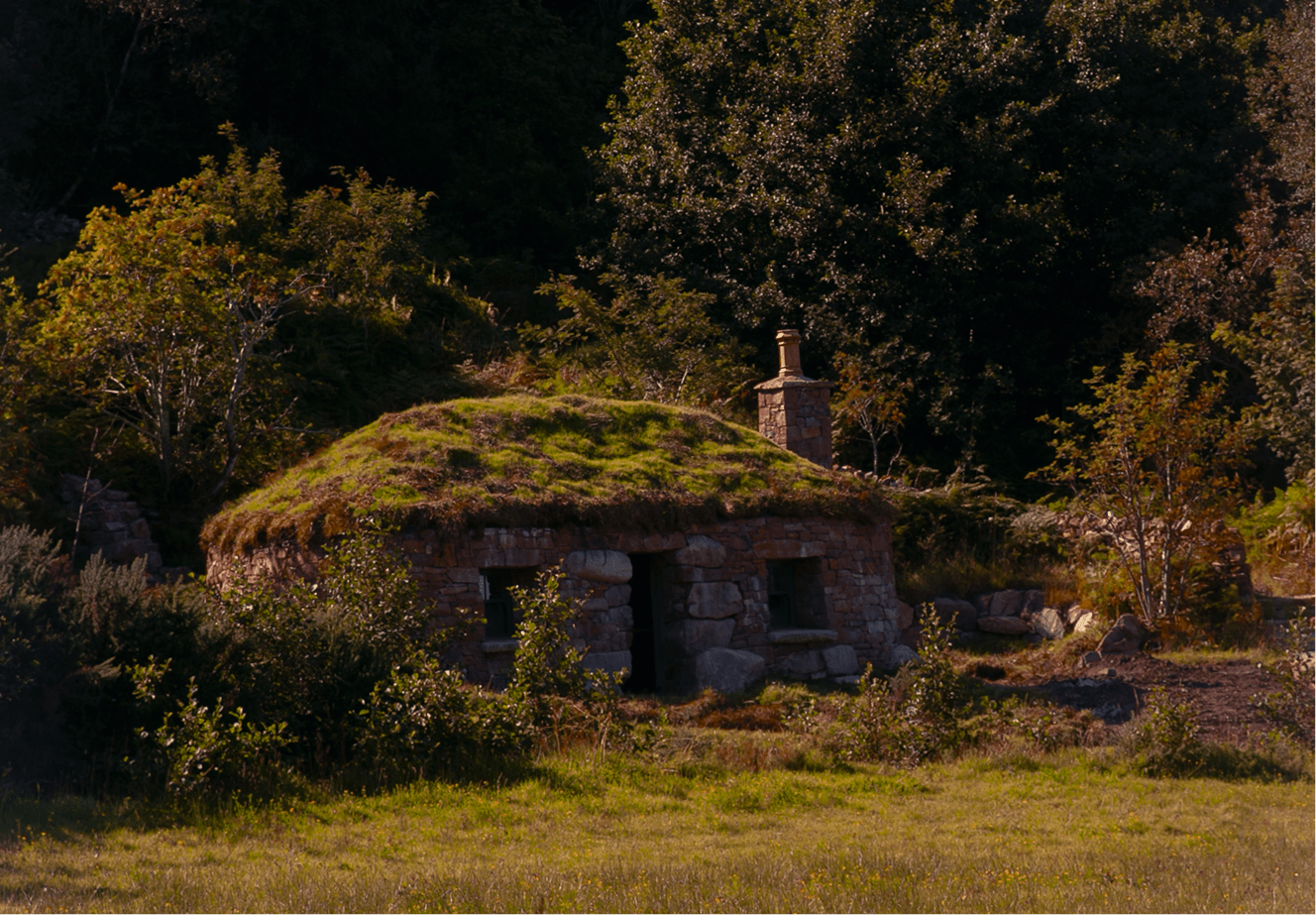
Compared to uniform habitat, mosaics result in increased edge habitat and allow for the movement of wildlife, synergy between habitats and species resilience through the different seasons. This creates the conditions for increased bio-diversity and wildlife abundance. Our team has worked hard to create mosaics of grass, scrub, wildflower patches, woodland and paving around and between the buildings of Tanera.
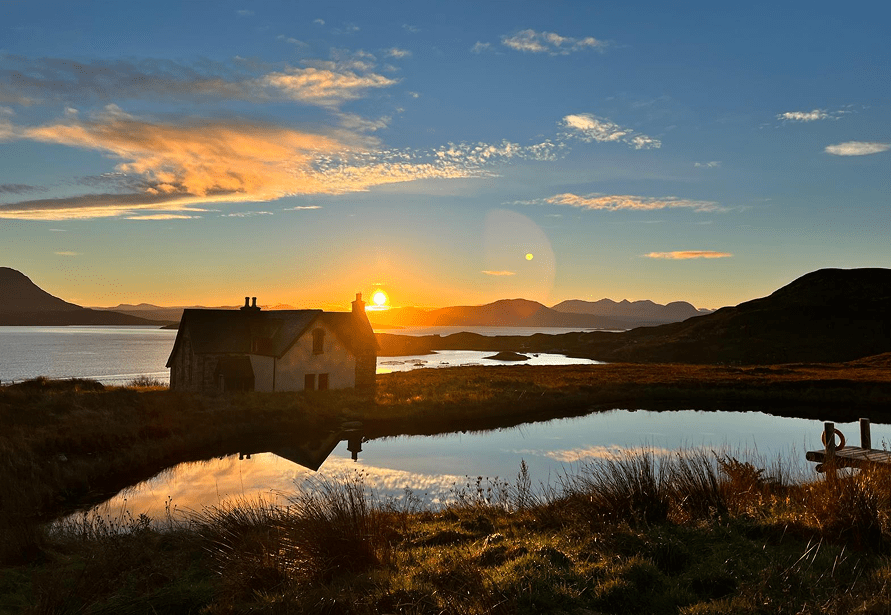
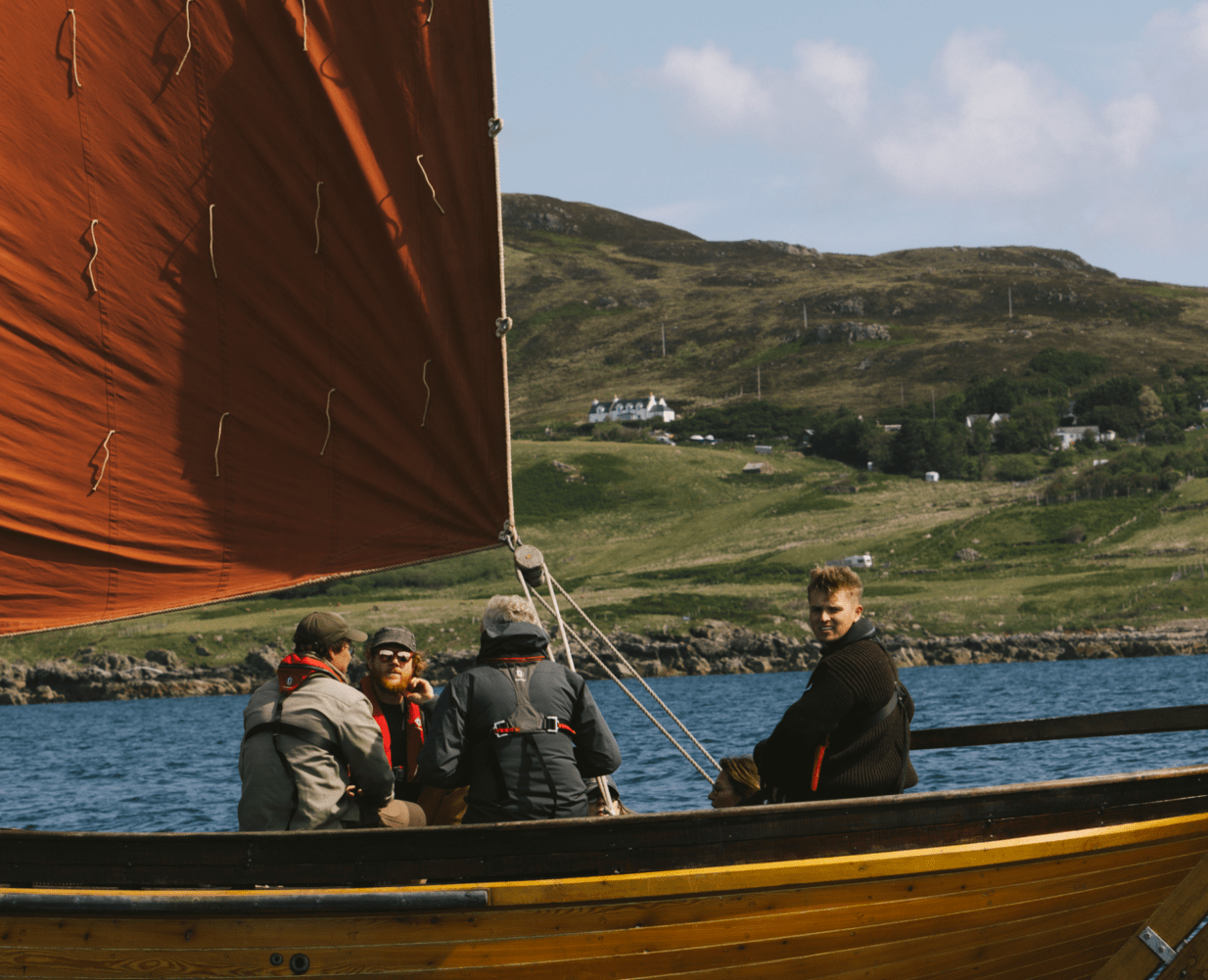
We are enhancing biodiversity by creating diverse freshwater ecosystems. Eight ponds have been restored and planted with 688 native plants. Reed beds are being added to culverts and drainage ditches. We are also naturalising the island’s eight reservoirs to create habitat for bird, amphibian, and aquatic species. Beyond the island, we support research in the Wester Ross Marine Protected Area, home to fragile maerl beds that serve as nursery grounds for fish and shellfish. Working with Open Seas, Napier University, and local citizen scientists, we’ve contributed to seabed surveys, eDNA herring sampling, and ROV studies launched from our restored herring luggers.